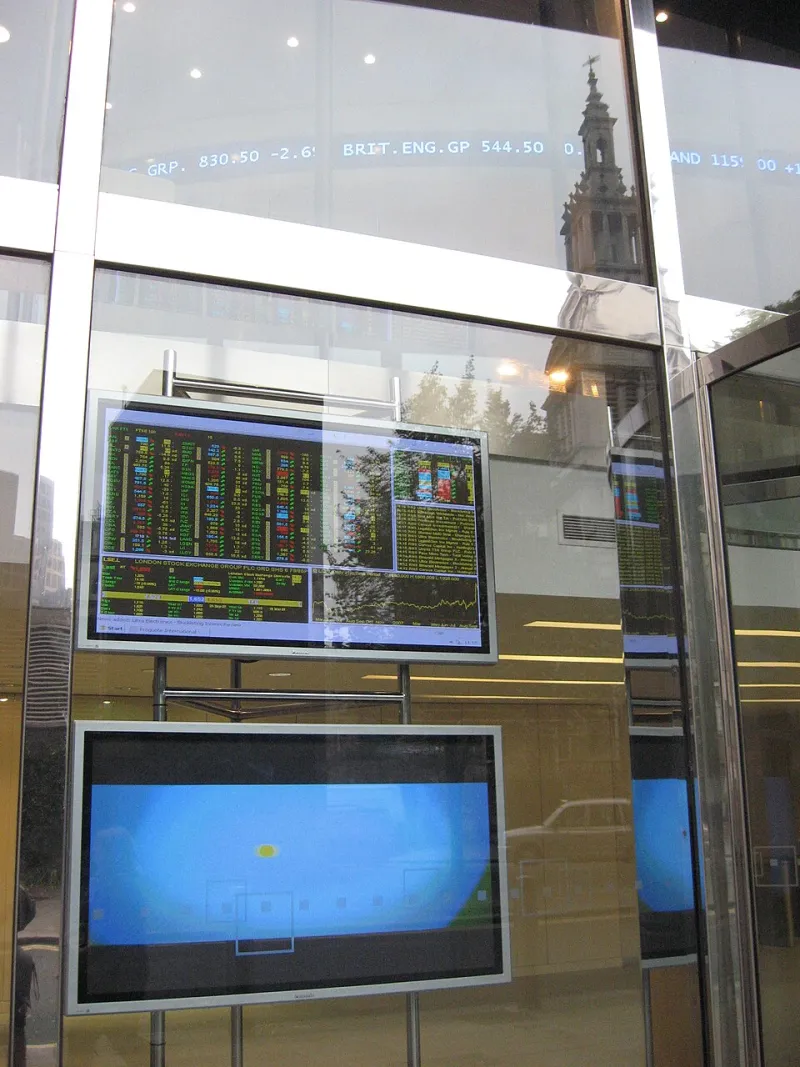
Depth Charges: Reading AIM Liquidity Before You Take Size
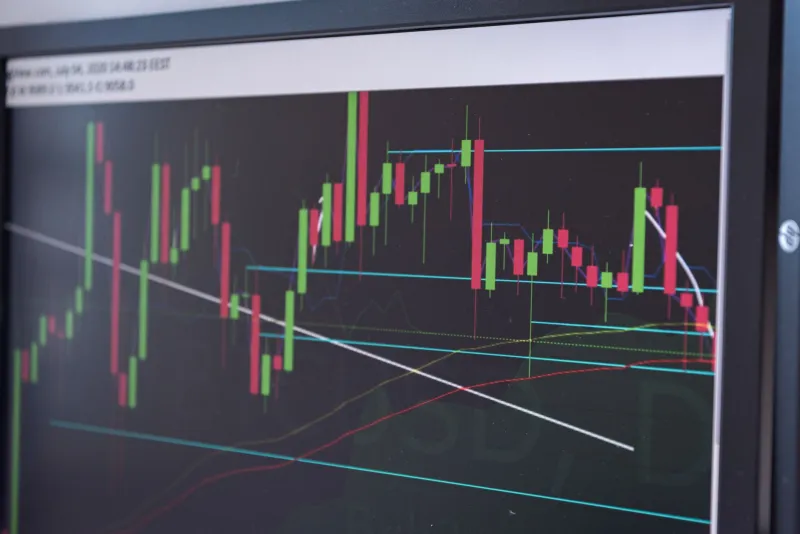
The quote is an invitation, not a promise
Every AIM trader has met the same trap. The Level 1 screen shows a one-tick spread, a plausible size on both sides, and a chart that has behaved itself for six weeks. You decide to take a £40,000 position. The first £5,000 fills. The next £5,000 fills two pence higher. The remaining £30,000 sits there, half-done, while the offer walks away from you. By the close you own the position you wanted at a price you did not want, and the exit has become somebody else's decision as much as your own.
There is no misconduct in this. It is simply what a shallow order book does when it meets size. AIM was built for growth companies with modest free floats, sponsor-led admissions and shareholder registers that are frequently concentrated in a handful of institutions and founders. Liquidity is not a property of the listing; it is a property of the moment.
Why the screen overstates the depth
Three mechanics conspire to make AIM look deeper than it is.
First, quotes are displayed in shares while risk is measured in pounds. A two-pence spread on a 48p stock looks trivial in the order book and represents more than four per cent of the share price. On a £25,000 round trip that is north of £500 of friction before commission, platform fees or market impact. AIM shares have been exempt from stamp duty and SDRT since 2014, but they are not exempt from the rest of the bill.
Second, much of the displayed size is conditional. Market makers on SETSqx publish quotes they are obliged to honour only up to a defined size, and beyond that the price is negotiable. Hidden and iceberg orders, where permitted, add depth you cannot see and therefore cannot rely upon. Algorithmic quoting has a habit of vanishing the instant volatility picks up, which is precisely when genuine depth matters most.
Third, periodic auctions concentrate flow. A number of AIM securities trade through SETSqx, where continuous two-way liquidity is replaced by scheduled auctions and competing market-maker quotes. Missing an auction by ninety seconds can mean waiting for the next one, or crossing a materially wider spread in the interim.
The clock matters more than the chart
Intraday liquidity in small caps follows a predictable rhythm. The first fifteen minutes belong to overnight order flow, retail market orders and spreads that have not yet compressed. Between roughly midday and two o'clock the book thins noticeably as London desks rotate through lunch. The final half hour usually brings better depth, and the 16:30 to 16:35 closing auction can be the cheapest place to work a passive order in a stock that effectively trades by appointment.
The implication is straightforward: use the auction when you can afford to be patient, use the first hour when you need certainty of execution, and treat the dead zone as a place for small orders only.
News is a liquidity event, not merely a price event
An AIM holding can move from a functioning market to a suspended one in a single announcement — a profit warning, a discounted placing, a delayed annual report, a regulatory query. The gap risk is obvious; the liquidity risk is subtler. After a disappointing RNS, the spread typically widens by a multiple, market makers cut quoted size, and the stock is trading at a different level altogether by the time your order reaches the front of the queue.
The practical consequence is that position size should be determined by what you can exit on a bad day, not by what you can enter on a good one. Traders who size from the entry side are effectively underwriting their own illiquidity.
A pre-trade checklist
Run the following before every AIM order, and the market will stop surprising you.
- Value, not shares. Convert displayed size into pounds at your limit price, every time.
- Spread in cash terms. Multiply half the spread by your intended position on both entry and exit, then subtract it from your expected return.
- Days to liquidate. Divide position value by the stock's twenty-day average daily traded value. Above 1.5 days for a core holding, or 0.5 days for a tactical trade, is a warning rather than a rounding error.
- Depth at three levels. Establish what you would pay for one-third, two-thirds and all of your intended size.
- Order type. Limit orders only. Market orders in illiquid names are a donation to whoever is quoting.
- Session choice. Decide deliberately between continuous trading, a periodic auction and the closing auction, rather than defaulting to the open.
- Diary the risk. Results dates, trading updates, capital markets days, lock-up expiries and index review dates all belong in the calendar before the order.
- Exit specification. Write the stop, the target and the time stop before entry, and check that the stop sits outside the normal spread.
- Route to a human. Know in advance whether your broker can source a risk quote or block price from a market maker when the book is empty.
- Cluster check. Five AIM names in the same theme is one position with five tickers.
Exits deserve more planning than entries
In liquid markets a stop is a simple instruction. In small caps it is a negotiation. Resting a stop order inside the normal spread of a thin stock invites it to be triggered by noise rather than by information, and in the worst cases it becomes a visible level for others to trade against. Many disciplined holders prefer alerts and manual execution, accepting the operational burden in exchange for control.
Partial exits are equally under-used. If a position has grown beyond its planned share of the book, scaling out across auctions and into strength is usually cheaper than attempting a single clean sale. A time stop — a pre-agreed date by which the thesis must have delivered something — protects against the slow drift into a position that is neither working nor easy to leave.
The discipline is in the arithmetic
The AIM liquidity maze does not require you to avoid small caps. It requires you to price them properly. Spread, depth, session and event risk are all measurable before the trade, and each has a cash value that belongs in the thesis rather than in the post-mortem.
That is the Sapphire discipline in miniature: treat liquidity as a cost line, size from the exit backwards, and let the checklist — not the screen — decide whether the trade is worth taking.