Before the Bell: A One-Page Overnight Gap Ledger for UK Traders

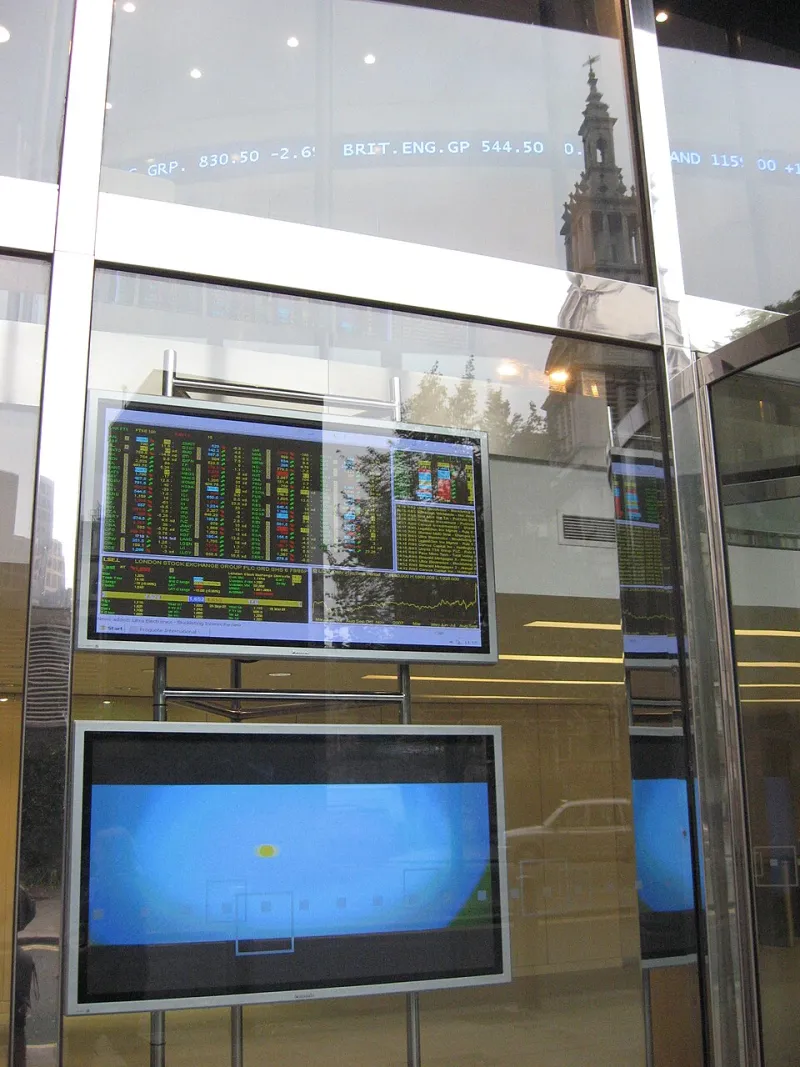
Photo: mattbuck (category), CC BY-SA 3.0, via Wikimedia Commons
The overnight session is not an empty interval between the London close and the London open. It is a working period in which information accumulates, liquidity migrates and expectations adjust. For UK traders, the relevant inputs range from the US closing bell and Asian sessions to sterling swings and company announcements released before 08:00. The opening auction then translates that information into a single price, sometimes with considerable violence.
A pre-open routine cannot eliminate gap risk. It can, however, prevent the first minutes of trading from being governed by surprise. The one-page overnight ledger is a practical response: a compact record that classifies the conditions traders are about to face and sets clear rules before the market opens.
What the Ledger Is For
The ledger is not a forecast. It is a classification tool. Its purpose is to answer three questions before the first trade: what changed overnight, how the market is likely to express that change, and whether the trader should participate at all. The page should be short enough to complete in fifteen to twenty minutes and specific enough to be useful under time pressure.
A workable layout includes sections for overnight drivers, sterling and rates, index futures, corporate announcements, gap classification and planned response. The final section is the most important. It converts observation into rules: trade, wait or stand aside.
From US Close to Asian Session
The US close is a major input for UK equities because it sets the tone for global risk appetite. A strong or weak finish on Wall Street is not automatically a signal for London, but it changes the reference point for FTSE 100 constituents with US exposure. After-hours earnings and guidance from large US companies can also move sentiment in related UK sectors.
The Asian session matters for miners, energy names and exporters. Overnight moves in metals, oil and Chinese equities can create a directional bias before London opens. Sterling adds another layer. A sharp move in the pound affects the translation of overseas earnings and can dominate the opening behaviour of large multinationals, even when the underlying company news is unchanged.
Classifying the Gap
The ledger should distinguish between two broad conditions: gap-and-go and gap-fade. A gap-and-go is supported by new information that changes the fundamental or macro picture. The opening move is accompanied by volume, a sensible spread and follow-through in related instruments. A gap-fade is more often a liquidity event: an exaggerated opening print driven by thin pre-open conditions, index flows or a reaction that lacks confirmation.
The classification should not be forced. Many mornings will be unclear, and unclear is a legitimate category. The default response to an unclear gap is to wait for the first fifteen to thirty minutes and let the auction, volume and spread provide evidence. Traders who must act immediately should size for the possibility that the opening price is not the true price.
A Pre-Open Sequence
A disciplined sequence helps prevent the ledger from becoming another unused document. At around 07:00, review the overnight drivers and note the direction of US futures, Asian markets and sterling. By 07:30, check regulatory announcements and any scheduled company releases. At 07:45, assess indicative opening prices, spread behaviour and the previous day's closing auction.
At 08:00, the first prints provide the first real test. The ledger should already state whether the trader intends to participate in the opening auction, wait for confirmation or stand aside. Orders placed into a thin auction without a predefined rule are not a strategy; they are an exposure to execution risk.
Sizing Rules for Gap Conditions
Gap risk changes the relationship between stop distance and position size. A stop that looked appropriate at yesterday's close may be irrelevant if the market opens beyond it. For gap-and-go conditions, the trader can use the overnight range and opening volume to reassess invalidation. For gap-fade conditions, smaller size or no trade is usually the more rational response.
FTSE 100 and FTSE 250 names should be treated differently. Large-cap liquidity can absorb opening flow more easily, but index-level moves can still gap individual stocks. Mid-caps are more vulnerable to company-specific announcements and thinner order books. The ledger should record the intended size before the open, not after the first loss has already been taken.
The Ledger in Practice
The value of the ledger emerges over time. A trader who records overnight drivers, gap classification and subsequent behaviour builds a personal database of conditions. Patterns become visible: which types of news produce genuine follow-through, which gaps tend to fade and how sterling moves interact with specific sectors.
At Sapphire Traders, the emphasis is on preparation rather than prediction. The overnight ledger does not tell a trader what will happen at 08:00. It ensures that when the bell rings, the response has already been considered. In 2026, with UK markets sensitive to global data and rapid sterling repricing, that small discipline is a sensible defence against the opening gap.